
5 Rules for Navigating the Denver Permitting Process
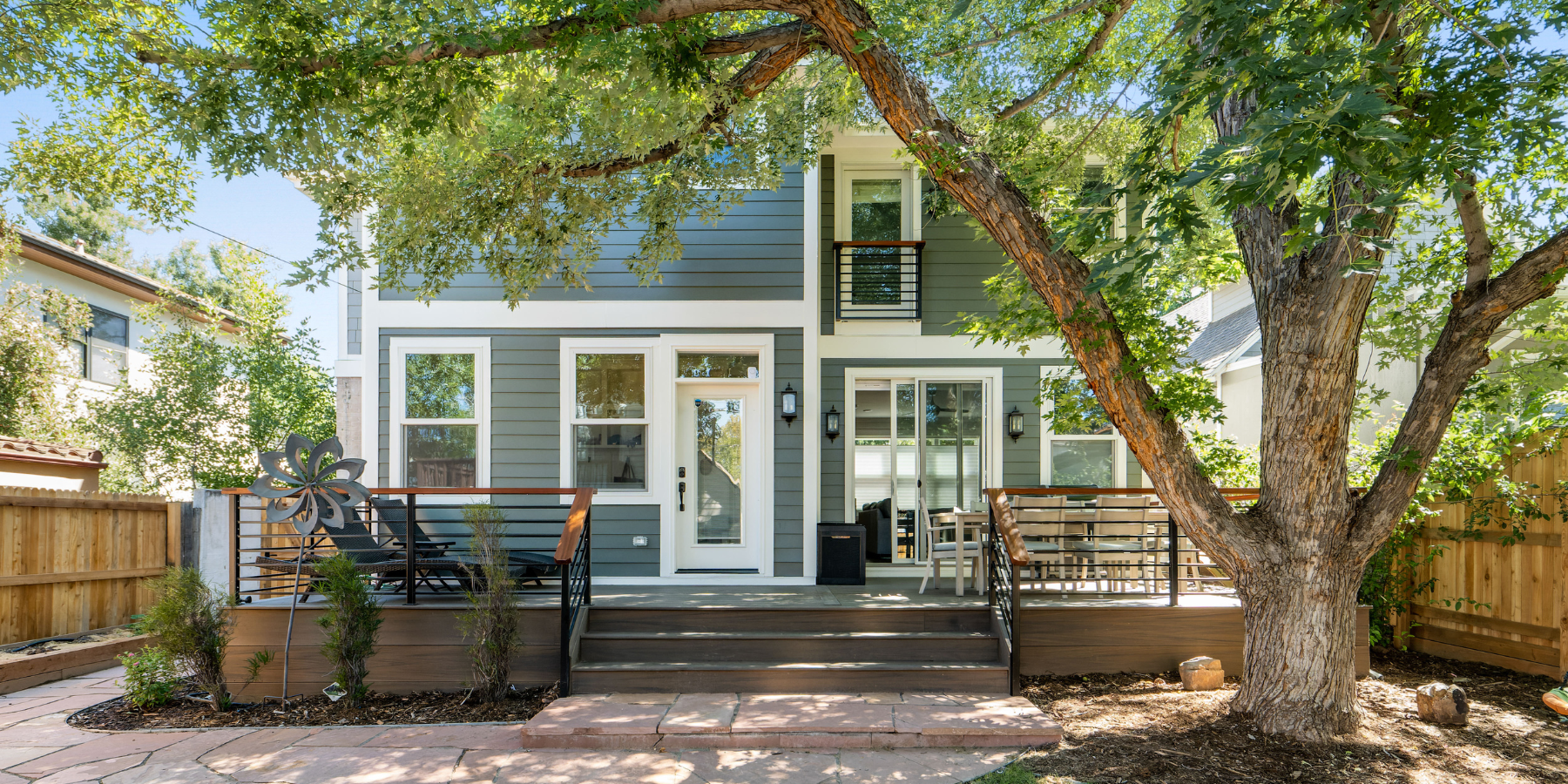
Denver is a fantastic place to live – big enough to have amenities and small enough to run into people you know just about everywhere. You love your neighborhood; your kids play with other kids from down the street or across the alley, forming their own adorable band of misfits. You love that you can walk to that one coffee shop or that cute restaurant around the corner. Sure, your house has functioned fine while the kids were little, but you can certainly imagine how fabulous it could be if you just made a few adjustments. Okay, maybe the adjustments are more like a pop-top or an addition or even a scrape. But you’ve heard horror stories about the City’s permitting process, and let’s face it – the idea of figuring out where to even begin feels daunting. To alleviate the distress, here are some (easily digestible) ‘5 Rules for Navigating the Denver Permitting Process’.
1. Rule Number One: Start Early
Don’t wait until you can’t possibly live another day in this house. The process of designing the perfect solution to all your troubles is long…and the process of getting a building permit is, unfortunately, longer still. For major projects like pop-tops and additions, there are several departments that have to review and approve permits: sewer, forestry, planning, zoning, just to name a few. If it’s worth the money to get what you want and stay where you are, then it’s worth the time it takes to get there, but make sure you give yourself plenty of runway.
2. Rule Number Two: Hire an Architect
Preferably one that has experience working in the Single Family Residential (SFR) market in Denver. SFR is a different animal than multi-family, and Denver’s codes are unique. While it is true that you don’t necessarily need an architect to submit drawings for your home, the process will go a lot more smoothly if you do, plus an architect’s strength lies in holding design in one hand and technical building codes in the other to tie together a project that will satisfy your functional requirements, meet your aesthetic desires and stay current with the best practice building science of today. Your architect’s first step should be to sit down with you and explain your zoning classification and what that classification limits and allows. Not only are there six different types of neighborhood contexts and a seemingly endless list of subcategories of zone districts within each of those, there are also various building form types that are either allowed or not allowed and each building form has its own rules and allowed uses. Whew! Hire an architect to help you understand what is possible!
3. Rule Number Three: Make a List
Sit down prior to meeting with your architect to make a list of pinch points you’re experiencing in your space now. Which ones are the most painful? If you had to give something up on that list, what would it be? Think through your budget in a realistic way – not what you think things will or should cost but what are you willing to spend to get the top one or two most painful items on your list eliminated? What would you be willing to spend to get the whole list checked off versus what can you realistically afford? If you could make your home everything you’ve imagined, would you stay there 5 more years? 10? 20+? Remember that you don’t have to solve the design problems. That’s why you hired a professional. Don’t be afraid to share the whole list with your architect; it may be they come up with a creative solution to get something else on that list into the project scope without adding extra cost.
4. Rule Number Four: Evaluate Options within Limitations
Ask your architect if they plan to show you more than one option within the zoning constraints for accomplishing the project scope. This is an important step in the process to guide the design in a direction that resonates with you and how you live in and use your space. How can a designer know what will (or won’t) work for you if they don’t show you a variety of ways to see the problem and the possible solutions? The built project will be all the stronger for time spent in this phase because the end result will be specific to you. If the zoning limitations are creating insurmountable obstacles, your architect should be able to help you assess whether or not a variance is necessary or even worth the extra time and money. When you land a design to develop, ask your architect to double-check the square footage designed against a cost per square foot calculation to make sure the scope is still within a reasonable budget. Even better, consult a contractor on what your project may cost, even based on a very conceptual design, to keep the project scope and budget on target. Architects are not construction cost estimators, but contractors should be able to give you a rough sense of dollars based on past experience or current in-progress jobs.
5. Rule Number Five: Zoning Only Review
Your architect should be keeping a close eye on the zoning code limitations, but a good “checks-and-balances” opportunity is available to you in a ‘Zoning Only Review’. After you’ve checked in on the project budget and given your architect the permission to proceed, your architect can submit the project early for a Zoning Only Review while still developing the drawings and details with the other necessary consultants (i.e. structural engineers, soils testing, mechanical design). Zoning is one of the departments that will need to review the project eventually anyway, but submitting early gives you and your designer the opportunity to catch any zoning code violations and make any adjustments required while still in the drawing phase. Zoning code violations tend to be things like: setbacks, bulk plane, lot coverage, building use, etc. – all things that have the potential to significantly impact the design and which will be much more painful to discover deeper into the process.
Yes, completing a construction project in Denver has its challenges. However, it doesn’t need to be intimidating. Surround yourself with a good project team who has your best interests in mind and wants to partner with you to see it through to the very end. Making your home exactly what you envision doesn’t have to stay a dream; leverage professionals’ experience and knowledge to guide you through the process step-by-step and that home transformation can become reality.